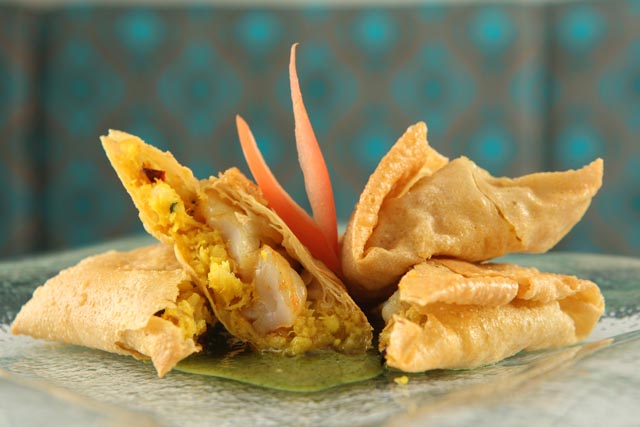
<p style="text-align: justify;">Who doesn’t likepappadums? For most people cooking Indian food at home or enjoying it in a quality Indian restaurant, they are one of the highlights of the meal. Cracking a pile of these thin, crispy snacks in the middle of the table and enjoying them with pickles, chutneys and raita is a fun way to share a meal with your friends and family, and many would go so far as to say that an Indian meal is incomplete them!</p>
<p style="text-align: justify;">Pappadums are traditionally made with a seasoned dough that’s made from urad flour, which is shaped and either fried or cooked with dry heat.</p>
<p style="text-align: justify;">Like many Indian dishes, recipes for pappadums can vary from region to region and even home to home. It has also been said that they are a symbol of women’s empowerment in India, as there are numerous female-run businesses known for producing this crispy snack.</p>
<p style="text-align: justify;">But they are most traditionally made with flour or a paste made from lentils, chickpeas, rice or potato. The options for serving them can also vary – while enjoying them as a snack or with dips is the most popular, cooked pappadums can also be used in cooking or the dough used as a thickening agent. In fact, many vegetable and meat dishes throughout India often contain pappadum dough, but you wouldn’t necessarily know it.</p>
<p style="text-align: justify;">One particular Indian state that features pappadums widely in their cuisine is Kerala.Traditional Keralan pappadums are prepared with black gram flour to form a dough which is then combined with salt and asafoetida for flavour. This is then rolled out into extremely thin and flat discs, which are left to dry in the sun. Once dried, the Keralan pappadum features as an element of the popular Keralan Sadhya.</p>
<p style="text-align: justify;">In fact, pappadums are a crucial part of almost any southern Indian meal. No wedding feast or Sadhya will commence until the pappadums are in place, alongside the rice, sambar, rasam, aviyal, thoran, olan, and the many other dishes that make up the famous feast. However, pappadums aren’t usually made at home in Kerala; instead, they are bought from the markets where they are widely available and cheap.</p>
<p style="text-align: justify;">One of the best things about pappadums though, is the sheer variety of treats they can be eaten with. From adding flavourings such as cumin, black pepper, or chilli powder, torolling into a cone shape and filling with jackfruit or tapioca, there are many ways to enjoy pappadums. Appalam is another similar product eaten as a snack, usually flavoured with peanut oil and salt &#8211; the terms ‘appalam’ and ‘happala’ are sometimes used interchangeably with pappadums.</p>
<p style="text-align: justify;">Pappadums are now served throughout the world and are loved by all generations. If you’re a fan of this moreish snack, why not head to one of London’s Fine Indian Restaurants? The chefs at Amaya, Chutney Mary and Veeraswamy produce a range of authentic Indian dishes and delicacies, including freshly made pappadumsthat are brought to your table steaming hot, alongside homemade condiments.</p>

Why We All Love A Pappadum