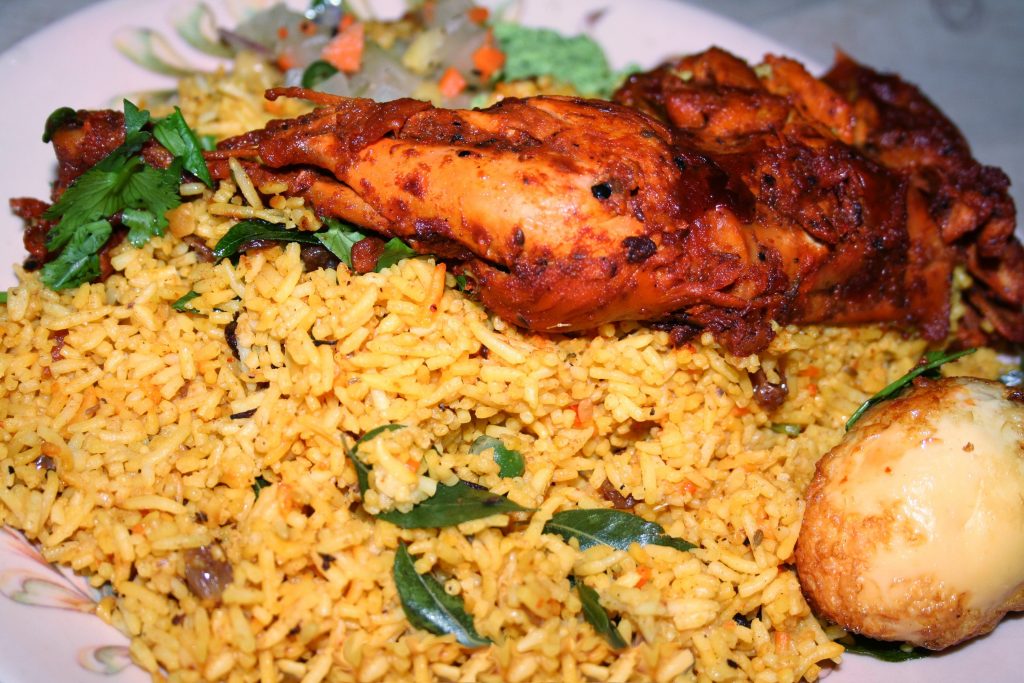
<p style="text-align: justify;">The mouth-watering aroma of a fragrant biryani or pulao has captured the hearts of many a discerning foodie. Even a novice to the world of Indian cuisine can appreciate these slow-cooked rice dishes, which hold an equal amount of appeal for both vegetarians and non-vegetarian diners.</p>
<p style="text-align: justify;">The menus of some of London&#8217;s best Indian fine dining restaurants often sport variations of these dishes, but what exactly is the difference between a pulao and a biryani? What are the subtle features that differentiate one dish from the other? And which would it be best for you to cook, should you wish to impress your friends and family at home?</p>
<p style="text-align: justify;"><img class="aligncenter size-large wp-image-3720" alt="What's The Difference Between A Pulao and A Biryani" src="https://medusamagazine.com/wp-content/uploads/2015/06/Whats-The-Difference-Between-A-Pulao-and-A-Biryani-1024x682.jpg" width="710" height="472" /></p>
<h2 style="text-align: justify;"><strong>Introducing Pulao</strong></h2>
<p style="text-align: justify;">Pulao is a classic Indian rice dish, but it is widely believed that pulao originated from Persia and that the dish can trace its roots back to the ancient times of Alexander the Great. Since then, pulao has spread throughout the Middle East and Central Asia, becoming a staple meal in many different regions of the world.</p>
<p style="text-align: justify;">Pulao initially took hold in India in the northern states and became a particular favourite amongst the Muslim population. The original recipes for pulao were thought to include marinated mutton, slow-cooked in spiced water until tender. As well as rice, moong beans or chana dal were popular additions to the dish and various seasonal vegetables including peas and carrots might add a little colour to the grains and legumes, too. For a purely vegetarian version, dried fruit and nuts often do the trick.</p>
<h2 style="text-align: justify;"><strong>Bring on the Biryani</strong></h2>
<p style="text-align: justify;">The biryani is also thought to have originated from Persia but there are numerous theories as to how the dish came to gain such popularity in India. Some people believe the biryani is a fancy variation of the humble pulao, whilst others believe it was invented in the innovative kitchens of the mighty Mughals as the court of the maharajas was known for its culinary creativity.</p>
<p style="text-align: justify;">To this day, different regions of India have their own take on the biryani, but perhaps the two most famous versions are found in Hyderabad and Lucknow. Hyderbadi cooking has long been linked to slow-cooking, or dum as it is known in India.</p>
<p style="text-align: justify;">In general, the classic biryani recipe includes rice, ghee, onions, garlic and a variety of spices including nutmeg, mace, cloves, cinnamon, bay leaves, cardamom and coriander. Chicken and mutton are the traditional meats to be utilised in this dish.</p>
<h2 style="text-align: justify;"><strong>The Key Differences</strong></h2>
<p style="text-align: justify;">To the untrained eye, the biryani and pulao look similar. However, there are some key differences in texture, taste and cooking technique.</p>
<p style="text-align: justify;">For those that wish to try creating these rice dishes at home, perhaps a pulao is the recipe to begin with. The ingredients are sautéed together then cooked in a sumptuous broth, whilst the biryani is a little more complicated and has a greater margin for error. The biryani requires the rice section of the meal to be cooked separately from the meat and/or vegetables, then the two sides of the dish are layered together.</p>
<p style="text-align: justify;">Of course, most important is the taste. If you are looking for a light, delicately flavoured and easy to make recipe, pick the pulao. But for a rich, aromatic dish, bursting with strong flavours, then the biryani is best.</p>

What’s The Difference Between A Pulao and A Biryani?