<p style="text-align: justify;"><span style="font-weight: 400;">When you drink water, you must always see to it that the water looks clear and transparent. If the water looks slightly colored, whether milky white or greenish, it clearly indicates some problem with the quality of water or the integrity of the pipes. Below, we list out four such discolorations you need to be aware of so that you can take the required corrective actions immediately. </span></p>
<p><img class="aligncenter wp-image-5606 size-full" src="https://medusamagazine.com/wp-content/uploads/2018/02/image-home-waterkit.png" alt="What You Must Know About The Color Of Your Tap Water" width="238" height="346" /></p>
<h2 style="text-align: justify;"><b>Cloudy And Milky </b></h2>
<p style="text-align: justify;"><span style="font-weight: 400;">When you open up the tap, you might sometimes see the water looking milky white, cloudy, and foamy. This essentially indicates that there is excess air trapped in the pipes. When water comes rushing through these pipes, the trapped air gets mixed with the water causing it to look foamy and milky white. Just let the water run for a few seconds or minutes, and it should look clear as it normally should. However, if the water appears foamy even after you have kept the tap open for a few minutes, then it might indicate any structural problems in the pipes. However, there is no risk of germs in such situations. </span></p>
<h2 style="text-align: justify;"><b>Brown or Reddish </b></h2>
<p style="text-align: justify;"><span style="font-weight: 400;">Does your water look a bit reddish and brown in color? If so, then it can indicate the presence of manganese or iron. In addition to posing health risks, such water can also end up staining the sinks. </span></p>
<h2 style="text-align: justify;"><b>Yellow or Brownish </b></h2>
<p style="text-align: justify;"><span style="font-weight: 400;">It is normal for the water supply lines to have dirt and other sediments settle in it. Under normal circumstances, such sediments will remain separated from the water. However, if the water is rushing at abnormally high speeds, then the dirt and sediments will get mixed in the water. And when you open your tap, the water coming out of it will have a yellowish or brownish color. </span></p>
<h2 style="text-align: justify;"><b>Blue or Green </b></h2>
<p style="text-align: justify;"><span style="font-weight: 400;">If your water looks slightly bluish or greenish in color, then it might indicate the presence of copper in the water. And ingesting water with excessive copper content will only result in gastric and intestinal problems, including diarrhea. Using such water for cleaning clothes can also cause the dress to stain. Another reason for bluish color in water is if the toilet water in your home is mixing with the tap water pipe. And obviously, this is something that you must resolve before you can drink water from the tap again. </span></p>
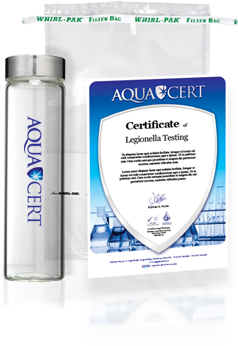
<p style="text-align: justify;"><span style="font-weight: 400;">And while the discolorations discussed above mostly include chemical and metal compounds, you must also be aware of organic pollution of water. This can include microbes like the Legionella bacteria, which you can detect by using testing kits from </span><span style="font-weight: 400;">Aquacert</span><span style="font-weight: 400;">. </span></p>
<p style="text-align: justify;"><span style="font-weight: 400;">But if you are focusing on avoiding metallic and chemical pollution in your tap water, then the above tips on discoloration should be good enough for you to understand what the color of water indicates.</span></p>

What You Must Know About The Color Of Your Tap Water