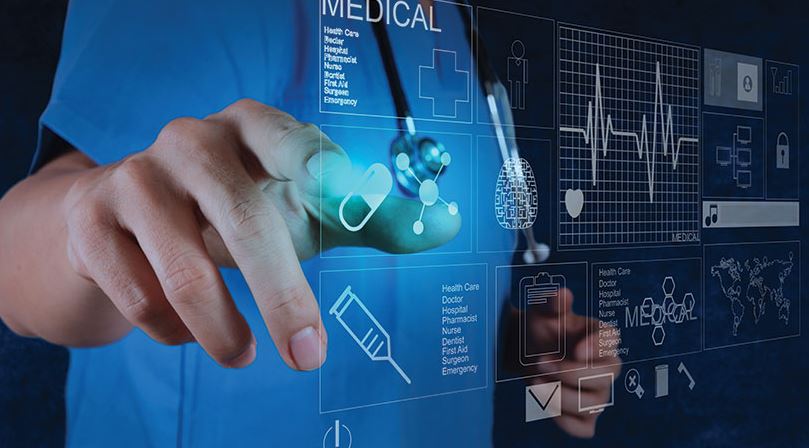
<p style="text-align: justify;">The advent of technologies such as automation and mobile devices are changing every aspect of our lives. With our aging population and the constant demand for better technology, those changes may come first to the medical industry.</p>
<p style="text-align: justify;"><img class="aligncenter size-Correct-Size wp-image-13513" src="https://medusamagazine.com/wp-content/uploads/2016/04/Understanding-How-Technology-is-Changing-Healthcare-Careers-640x354.jpg" alt="Understanding How Technology Is Changing Healthcare Careers" width="640" height="354" /></p>
<h2 style="text-align: justify;"><strong>A Digital World</strong></h2>
<p style="text-align: justify;">Smart devices allow connection to computers at any time, from virtually anywhere in the world. There are even cell phone towers at Mt. Everest now. Custom apps let healthcare professionals and patients alike perform tasks or access information on the go, while a new generation of devices lets people monitor their vital signs continuously. The trend may be that diagnosis must rely more on streaming data from the patients themselves than waiting for the patient to come to the office. Healthcare workers must have the ability to manage digital data as paper files fall out of use.</p>
<h2 style="text-align: justify;"><strong>The Digital Self</strong></h2>
<p style="text-align: justify;">If you&#8217;re thinking that digital data and physical bodies are very different, think again. The digital revolution and apparatus for monitoring and gathering data on a variety of physical traits and symptoms is only beginning. DNA can be mapped and stored to computer files, alongside data such as blood tests, EKGs, and images from X-ray or MRIs. The Internet allows this data to be shared in almost real-time. All of this can give a healthcare worker a more intensive look at a patient miles away than they could ever get from hands-on, personal exams in the short space of an office visit. What this means for healthcare staff is that they must be trained in a variety of applications that allow them to quantify and analyze data in meaningful ways.</p>
<h2 style="text-align: justify;"><strong>New Lab Work</strong></h2>
<p style="text-align: justify;">A lot of this information still comes from the labs that do the actual tests on human tissue. However, robotics technology is changing how lab work is done and how it&#8217;s managed.</p>
<p style="text-align: justify;">One machine is the SOLO-based ELISA workstation which can not only perform reagent and dilutions on 12 different samples, it can read results and email personnel when it’s ready for the next step. It even cleans its own assay plate.</p>
<p style="text-align: justify;">More processes become automated, not just for simple tasks, but analysis that can be done more quickly and precisely than a human. Tomorrow&#8217;s lab worker may be doing menial and prep work while robots do the tests.</p>
<p style="text-align: justify;">As technology evolves and networks, it becomes bigger and more critical. Healthcare workers are finding that a background in technology is as important as training in healthcare.</p>

Understanding How Technology Is Changing Healthcare Careers