<p>Image Credit</p>
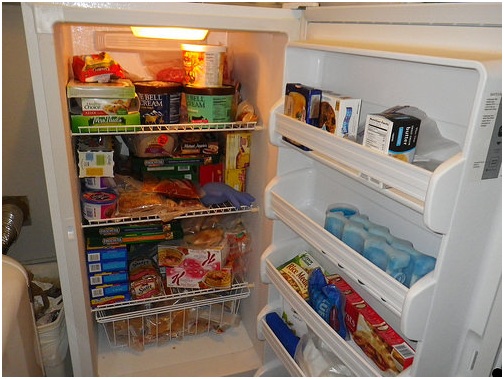
<p>Fridges have transformed the way we store food. Now, items that would have gone off pretty quickly if stored at room temperature can be kept for days or weeks in cool temperatures.</p>
<p>Even things that don&#8217;t need to be refrigerated can be kept in the fridge in order to extend their lifespan. If you&#8217;re worried you won&#8217;t eat that piece of fruit or loaf of bread before it gets mouldy or stale, just bung it in the fridge to get a couple of extra days.<br />
But are things really that simple? Is it really just a case of stick any food item, even one you would normally keep at room temperature, in the fridge to make it stay good for longer?</p>
<p>The answer is usually &#8216;yes&#8217;, but not always. It depends a lot on the type of food in question. There are countless fridges on the market today, as you can see from the website of an online retailer such as Fridge Freezer Direct but even the fanciest most-advanced fridge isn&#8217;t a magical make-every-single-food-better machine. There are certain things you should generally not keep in the fridge, either because it will not improve their lifespan or because it will harm the taste and texture.</p>
<p><strong>Tomatoes</strong></p>
<p>Tomatoes are a prime example. They are commonly kept in fridges, but this is not the best way to keep them. Tomatoes that have been chilled lose their flavour and become mealy in texture. Even when they are far from frozen, they can seem like they have ice crystals forming thanks to a combination of texture and high moisture content. In one context or another, you&#8217;ve probably had many tomatoes which you thought were low-quality but which in fact had just been ruined by cold storage.<br />
<strong><br />
Honey<br />
</strong><br />
At room temperature, honey is pretty much the immortal food. Jars of honey have been found in ancient tombs, literally thousands of years old, that have not really changed since our distant ancestors sealed them away. It certainly doesn&#8217;t need any help extending its lifespan, but putting it in the fridge is more than unnecessary. Low temperatures can make the sugar crystallise, making it go gloopy and be harder to scoop.</p>
<p><strong>Bananas</strong></p>
<p>This is a bit of a controversial one. A fridge won&#8217;t actually harm the taste or texture of your bananas, and they may have already spent time in commercial fridge freezers in order to be shipped to the shop you bought them from. However, putting bananas in the fridge isn&#8217;t usually a good idea at home unless they are just ripe. Green bananas will take longer to ripen in the fridge. Ripe bananas, on the other hand, will go black quicker but the fruit will nonetheless stay ripe longer.</p>
<p><strong>Bread</strong></p>
<p>Remember that bit at the beginning of the article which said about sticking bread in the fridge to gain some extra days? That&#8217;s certainly the common conception, but it&#8217;s not something you should actually do. The fridge will help keep mould at bay, but it will make the bread harder and encourage it to go stale. Unless it&#8217;s been made into a sandwich with a filling that needs to be chilled, best keep your bread out of the fridge.</p>

Things you should keep in your fridge