<p style="text-align: justify">With cloud computing offering so much potential to people, organizations, and companies, it&#8217;s important to consider all the implications before making a move to the cloud.</p>
<p style="text-align: justify">For IT departments, implementing cloud computing requires a well thought out approach that includes anticipating traffic changes. So, whether you&#8217;re on the verge of shifting to the cloud or your company is already there, here&#8217;s a look at how important capacity planning is in the cloud.</p>
<h2 style="text-align: justify">Getting Out of the In-House Server Business</h2>
<p><img class="aligncenter size-full wp-image-5886" alt="server" src="https://medusamagazine.com/wp-content/uploads/2013/07/server.png" width="463" height="333" /></p>
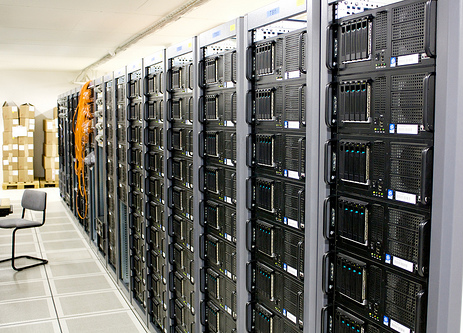
<p style="text-align: justify">Image via Flickr by torkildr</p>
<p style="text-align: justify">Many IT staffers find themselves devoting frustratingly large amounts of time to server management issues such as reallocating space, engaging in routine maintenance, and troubleshooting problems that arise.</p>
<p style="text-align: justify">Part of the problem can stem from a weak capacity plan. So, when server management becomes too time consuming, IT staff may recommend moving to cloud computing so that part or all the company&#8217;s traffic goes through servers that are owned and operated by someone else.</p>
<h2 style="text-align: justify">Balancing the Costs</h2>
<p style="text-align: justify">Outside cloud computing typically comes with a pay-as-you go plan. This is one more reason why it&#8217;s important to engage in capacity planning. You don&#8217;t want to buy too much or too little. Aim for the middle, and then as you monitor capacity, make necessary adjustments.</p>
<p style="text-align: justify">Work with your cloud computing provider to ensure that the resources and services you&#8217;re purchasing are being optimized. After all, you want to get the most for your money. Ask about automation options, better management of data storage, and network tools for improving efficiency.</p>
<p style="text-align: justify">Engaging in quality capacity planning means you monitor current usage while also looking for waste. It also requires you to project upcoming needs for more capacity. Finally, you have to ensure you&#8217;re buying the right amount of space and service for your company to keep it operational without buying too much capacity that then goes to waste. Cloud computing demands an engaged capacity planning process.</p>
<h2 style="text-align: justify">Capacity Planning in the Cloud is Crucial</h2>
<p style="text-align: justify">If you did not do an adequate job of capacity planning when you owned the servers yourself, remember that you need to do better as you move to the cloud. Otherwise, you risk slow performance and, at worst, a site crash. Because you&#8217;re moving to a system that&#8217;s owned by someone else, you need to have a strong grasp of when you see peak traffic and how much that peak will be.</p>
<p style="text-align: justify">Monitor capacity by using tools to identify and normal what&#8217;s standard activity for your system. These tools also need to let you know when the normal patterns shift. Remember that if you use a cloud computing system you don&#8217;t own, the cloud company may do some of the monitoring for you. However, that&#8217;s no substitute for tracking certain metrics yourself. Keep tabs on the usage of applications and how quickly the application interacts in response.</p>
<p style="text-align: justify">Track current usage and forecast future capacity needs using a variety of data including upcoming projects that will put more demands on the system. Just as you anticipate the need for more capacity, monitor and react to instances where there&#8217;s overcapacity. Doing so lets you put that resource back into the mix for other applications to use.</p>
<p style="text-align: justify">Capacity planning is an extremely important thing to think about, especially when it concerns using the cloud.</p>

How Important is Capacity Planning in the Cloud?