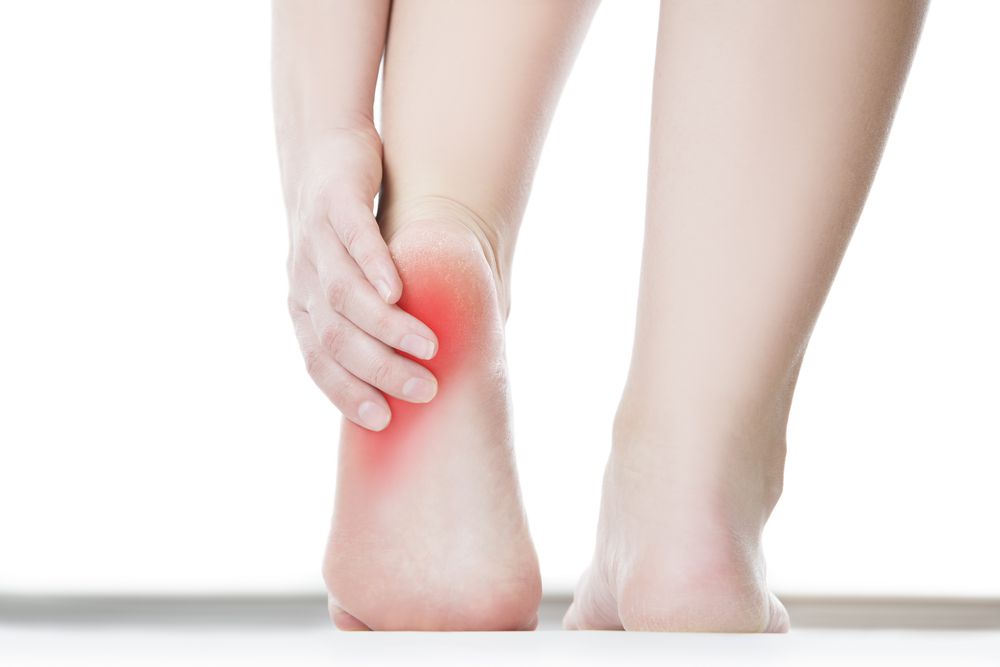
<p style="text-align: justify;">If heel pain is keeping you from your active lifestyle, a condition known as plantar fasciitis may be to blame. An estimated 2 million people in the United States experience this condition every year, according to the American Academy of Orthopedic Surgeons. The condition occurs when the plantar fascia ligament that runs along the bottom of your foot becomes inflamed. The condition causes symptoms such as heel pain that is typically worse in the morning, increased pain after exercising and pain that concentrates near the heel.</p>
<p style="text-align: center;"><img class="aligncenter wp-image-4987" title="Heel Pain Solutions For Plantar Fasciitis and Other Heel Pain Causes" alt="Heel Pain Solutions For Plantar Fasciitis and Other Heel Pain Causes" src="https://medusamagazine.com/wp-content/uploads/2016/05/Heel-Pain-Solutions-For-Plantar-Fasciitis-and-Other-Heel-Pain-Causes.jpg" width="600" height="400" /></p>
<p style="text-align: justify;">In addition to plantar fasciitis, other conditions can cause heel pain, including heel spurs, a stone bruise or an inflamed Achilles tendon. However, plantar fasciitis remains the biggest contributor to heel pain.</p>
<h2 style="text-align: justify;"><b>Non-Surgical Treatment Methods</b></h2>
<p style="text-align: justify;">When you experience chronic heel pain, there are several steps you can take to reduce your symptoms. With this care, an estimated 90 percent of patients with plantar fasciitis will recover within 10 months of interventions, according to The Core Institute, an orthopedics and physical therapy practice.</p>
<p style="text-align: justify;">Because heel pain is common in very active individuals who place a lot of stress on their heel bones, resting the heel can be an initial step into reducing heel pain. In addition, you may wish to substitute your regular high-impact activities, such as running or step aerobics, with lower-impact options, such as water aerobics or biking, to reduce the overall impact on the heels.</p>
<p style="text-align: justify;">In addition to resting your feet, applying ice can reduce inflammation. The Core Institute recommends rolling your foot over a cold or frozen water bottle for 20 minutes at a time three to four times each day.</p>
<p style="text-align: justify;">Wearing shoes with extra cushioning and thick soles can help reduce trauma to the heels. Wearing night splints or shoe-like devices that stretch the bottom of the feet can help to reduce plantar fasciitis. Inserting a soft heel pad into the shoe can also provide added support. Stretching the feet and heels during the day can also reduce painful symptoms. A physical therapist can demonstrate exercises that can prove effective.</p>
<p style="text-align: justify;">Other options include cortisone injections. Cortisone is an anti-inflammatory medication that can relieve pain. However, cortisone injections can only be administered for a certain number of times before the risk increases that the plantar fascia could tear.</p>
<h2 style="text-align: justify;"><b>Surgical Treatments Methods</b></h2>
<p style="text-align: justify;">Most surgeons will not recommend more invasive treatment methods for heel pain unless non-surgical methods have failed after a year of treatments. Examples of surgical procedures to treat the condition include gastrocnemius recession, which extends the length of the calf muscles, which reduces the pull on the plantar fascia. Another surgical procedure type is the plantar fascia release. This procedure involves releasing or partially cutting the plantar fascia to reduce the tightness or pull on the plantar fascia. These procedure types are considered a last resort and are often performed on patients whose plantar fascia is so tight they have difficulty even flexing their feet.</p>

Heel Pain? Solutions For Plantar Fasciitis and Other Heel Pain Causes