<p style="text-align: justify;">People who have been diagnosed with an inflammatory bowel disease (IBD) are often told to take prebiotics to help maintain a healthy balance of good and bad bacteria in the gut. It’s thought that when the gut, or bowel, is in balance, the body will optimally digest food and ward off any diseases caused by stressors like illness or environmental factors.</p>
<p style="text-align: justify;"><img class="aligncenter wp-image-14423 size-full" src="https://medusamagazine.com/wp-content/uploads/2015/12/Do-Prebiotics-Work.jpg" alt="Do Prebiotics Work?" width="500" height="434" /></p>
<h2 style="text-align: justify;">What Are Prebiotics?</h2>
<p style="text-align: justify;">Prebiotics are compounds thought to help the gut maintain a healthy balance of good and bad bacteria, but they’re not bacteria. Prebiotics are non-digestible foods that move through the digestive system and assist friendly bacteria. These compounds help the good guys in the gut grow and flourish, so that they can keep the upper hand on any bad microbes.</p>
<p style="text-align: justify;">Prebiotics are selectively fermentedingredients that change the activity in the gastrointestinal tract for the better. They’re usually specific nutrients, such as non-absorbable carbohydrates like oligo and fructo-saccharides, that help the friendly bacteria stay strong in numbers.</p>
<h2 style="text-align: justify;">Do Prebiotics Work?</h2>
<p style="text-align: justify;">Prebiotics are said to work because they offer fuel for friendly bacteria. The good microbes feed on these compounds, which are typically found in whole grains, fruits, and legumes, and then grow in numberin the gut. It’s thought that prebiotics are types of compoundsnecessary for giving good microbes the fertilizer they need to overcome any attempts by bad bacteria to overrun the intestinal tract.</p>
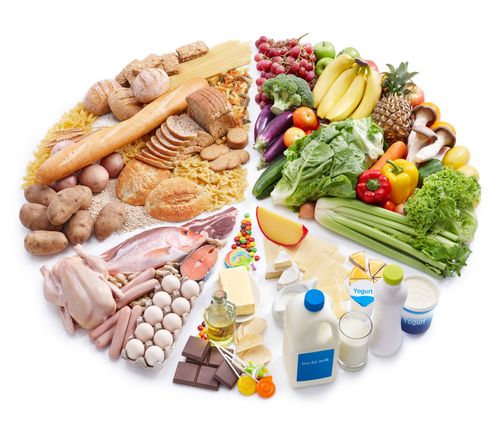
<p style="text-align: justify;">Many experts agree that prebiotics do help keep balance in the gut and, therefore, put the gut in a good position to stay healthy. It’s recommended that people consume foods like bananas, chicory root, asparagus, whole grains, onions, leeks, fruit, soybeans, and sweet potatoes to get naturally occurring prebiotics that can assist in keeping healthy bacteria flourishing. However, these foods must be eaten in combination with non-sugary foods like nuts, vegetables, and seeds so excess sugars don’t feed bad bacteria in the intestines.</p>
<p style="text-align: justify;">To learn more about the benefits of prebiotics, you should speak with your health practitioner. Taking prebiotics, in combination with probiotics, can be an effectiveto treat IBDs and maintain good gut health. For more information about probiotics be sure to check out Crohns.net now.</p>

Do Prebiotics Work?