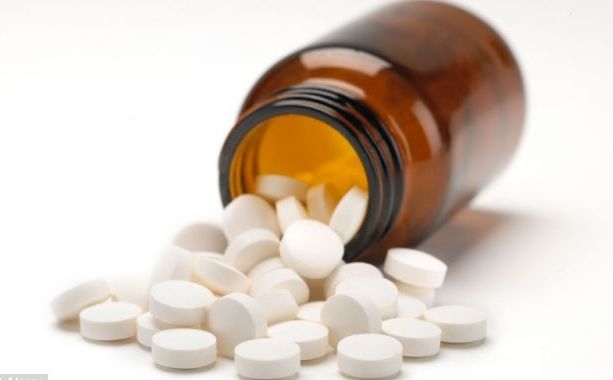
<p style="text-align: justify;">Casually flipping through the pages of any fitness magazine, you are is bombarded with information about supplements. With slogans like “Lift big!” and “Become your best!” they are pretty hard to ignore. The Biggest Loser presenter, Jillian Michaels, recently came under fire for giving her contestants caffeine supplements without having them checked by a medic first. We invited CrossFit experts, KitBox, to explain all about caffeine supplements and find out whether they are a boost to workouts, or actually a threat to health.</p>
<h2 style="text-align: justify;"><b>What is Caffeine?</b></h2>
<p style="text-align: justify;">Caffeine is a naturally occurring xanthine alkaloid compound found in sources such as coffee beans, tea leaves, and cocoa. It is the most widely used legal psychoactive drug (mind altering) on the planet. The word caffeine translates into coffee in several different languages.</p>
<h2 style="text-align: justify;"><b>What are the Effects?</b></h2>
<p style="text-align: justify;">Caffeine is commonly used as an ergogenic aid. This is determined as a substance which enhances an individual&#8217;s energy use, production, or recovery. A study by Dr. Larry W. McDaniel showed that caffeine increases speed and power output. Helping athletes improve the length of time that they can train. Whilst assisting the athlete in resisting fatigue. Caffeine has also been proven to stimulate the brain which contributes to clearer thinking concentration levels. The study showed that up to 25% of athlete&#8217;s ages 11-18 years old have used caffeine in effort to increase their athletic performances. Because of the profound effect on the body. The Olympic Committee has debated on it should be tested before the participants partake in Olympic Game events.</p>
<h2 style="text-align: justify;"><b>Risks and Associated Health Problems</b></h2>
<p style="text-align: justify;">Caffeine is a psychoactive product meaning it has an effect on the brain and changes the way it works. Therefore overloading your system can lead to psychological problems such as anxiety and insomnia. There are also a host of undesirable psychical effects such as dehydration and cramping in the abdominal area. Those who suffer with ulcers should be particularly careful if considering using caffeine supplements.</p>
<p style="text-align: justify;">Some caffeine products may also contain a (now) illegal substance called DMMA. The FDA warns, “DMAA, also known as 1,3-dimethylamylamine, methylhexanamine or geranium extract, is an ingredient found illegally in some dietary supplements and often touted as a “natural” stimulant. DMAA, especially in combination with other ingredients such as caffeine, can be a health risk to consumers. Ingestion of DMAA can elevate blood pressure and lead to cardiovascular problems ranging from shortness of breath and tightening in the chest to heart attack. Dietary supplements containing DMAA are illegal and FDA is doing everything within its authority to remove these products from the market.”</p>
<h2 style="text-align: justify;"><b>Recommended Doses</b></h2>
<p style="text-align: justify;">Caffeine use is relatively safe in small doses. Health officials have come to a general conclusion that around 300mg per day is the maximum that should be consumed. Which is equal to around three cups of coffee or six cups of tea. To be used to its maximum potential for athletes, caffeine should be saved for special events such as competitions and marathons. With exercise experts citing that taking a supplement one hour before the event will give the best results. The recommended dosage is three to six mg per kg of body weight. The health dangers occur when an athlete begins to take the Crossfit supplements too regularly and becomes mentally dependant on them. Almost like being dependant on that morning coffee to feel awake. Overloading your system on caffeine can have some harsh side effects and actually lower performance over time. Make sure to see your doctor for advice on what supplement method is right for you.</p>
<p style="text-align: justify;">For more CrossFit information, follow Kit Box on Facebook today!</p>

CrossFit Supplements – Should You Take Caffeine Supplements For CrossFit?