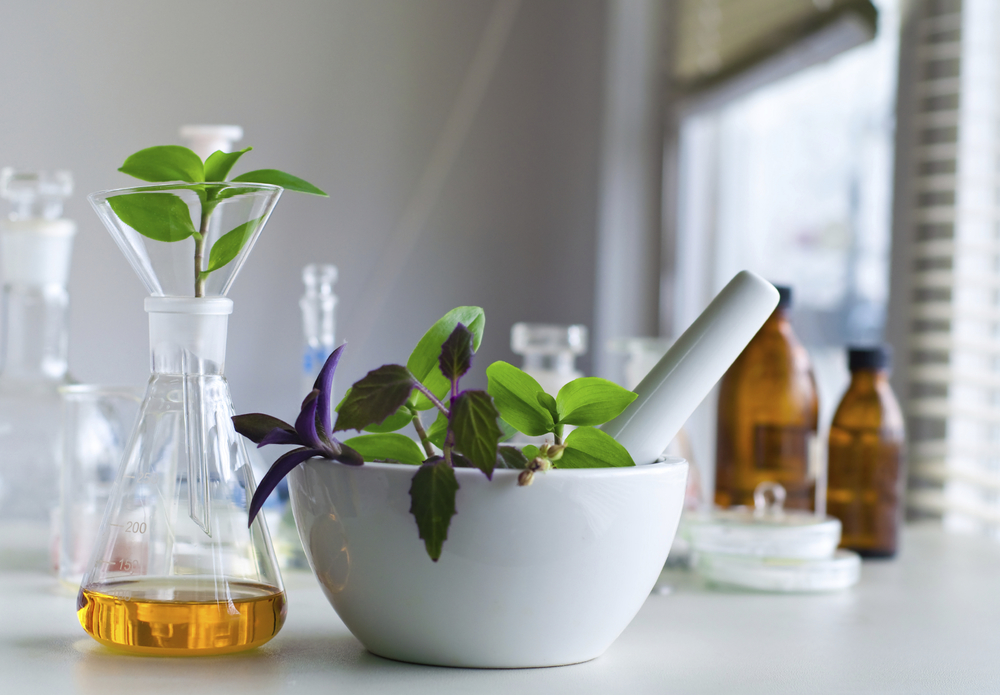
<p style="text-align: justify;">“Going organic” can certainly improve your life as well as the health of the environment, but remember that just because something is “natural” doesn’t mean it’s safe. There are plenty of class action lawsuits heating up around the country because so-called natural products either don’t work as described, or have proven to have sometimes deadly side effects. Different things found in nature are poisonous to different species, such as the notorious cats vs. Poinsettias during the holiday seasons.<!--more--></p>
<p style="text-align: justify;">For those who find themselves hurt by a natural product, working with a personal injury attorney is often a wise move. However, it’s of course best to avoid getting harmed in the first place, and that starts with reassessing what natural really means. After all, caffeine and cocaine are also “natural” stimulants but both can be addictive and dangerous. It’s easy to fall prey to a good marketer’s trap, but knowing what buzzwords can really mean can help you live more naturally while staying safe.</p>
<p style="text-align: center;"><img class="aligncenter wp-image-1092" alt="natural" src="https://medusamagazine.com/wp-content/uploads/2014/09/natural.jpg" width="600" height="417" /></p>
<h2 style="text-align: justify;"><em><b>Learning When Organic Object</b></em></h2>
<p style="text-align: justify;">Unfortunately, there are no stringent laws dictating what “organic” has to mean, and it can vary industry to industry. Plus, it matters more with some foods and products than with others. For example, something like a cucumber that’s largely made out of water is soaking up whatever’s in the soil where it grows. Many consumers happily eat the skin, too, making it a double whammy example for when it’s wise to eat organic.</p>
<p style="text-align: justify;">Other times, it probably doesn’t matter that much. Slapping an “organic” label on a food or product is an easy way for marketers to demand a higher price point. This is much to the chagrin of farmers and product creators who truly embrace organic methods for a better product and better end result for their customer.</p>
<h2 style="text-align: justify;"><em><b>Words to Observe</b></em></h2>
<p style="text-align: justify;">Sustainable, green, eco-friendly and of course natural are all words that don’t really mean much in the grand scheme of things. Even more niche words such as “cage free” when talking about eggs can be relative; just because a chicken wasn’t kept in a cage doesn’t mean the conditions were much better. Instead, focus on looking at ingredients, shopping locally and then researching the practices of those local farmers and retailers.</p>
<p style="text-align: justify;">Knowing where your products and food comes from is the first step in making healthy, truly natural choices. Many local farmers and retailers are happy to offer tours, too. Ignorance isn’t bliss when it comes to what you consume, so be proactive with your next purchase.</p>

Can “Natural” Products Be Dangerous?