<p dir="ltr" style="text-align: justify;">Attention-deficit disorder or ADHD is often diagnosed in children and it has various symptoms that are typically visible. This behavioral disorder usually goes hand in hand with inattention, hyperactivity and impulsivity. Some people may have only one of these symptoms, while others may have multiple symptoms at the same time. Other symptoms include excessive talk, difficulty remaining quite, always fidgeting and difficulty focusing on specific tasks.</p>
<h2 style="text-align: justify;"><img class="aligncenter size-Correct-Size wp-image-8427" alt="Can ADHD Be Genetic?" src="https://medusamagazine.com/wp-content/uploads/2013/10/Can-ADHD-Be-Genetic-640x456.jpg" width="640" height="456" /></h2>
<h2 style="text-align: justify;">The Role of Genetics</h2>
<p dir="ltr" style="text-align: justify;">Since genes form the basic building blocks for our bodies, there are various research studies that show the connection between genes and ADHD. Since we do inherit many different conditions and traits from our families, there might be a strong connection between genetics and ADHD. Unfortunately, DNA cannot be changed but there are treatments available. Other factors researchers are looking into are environmental factors, and possibly diets.</p>
<p dir="ltr" style="text-align: justify;">If someone in your family has ADHD, your chances of having ADHD will be bigger since it can definitely be passed from parents to children. Children with ADHD will typically find that they have a close relative or even a parent who also suffers from this condition. In the case of twins the risk increases. Children who are part of identical twins, have an increased risk of developing ADHD and it is estimated that around 10% school children are affected by ADHD around the world.</p>
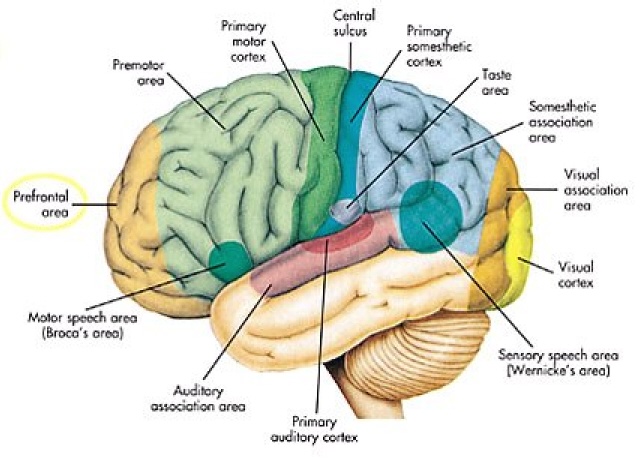
<p dir="ltr" style="text-align: justify;">One interesting factor reaches has identified is individuals who suffer from this condition also have thinner tissue matter in certain locations of the brain, especially those areas connected to attention. Luckily these studies also concluded that not all people with thinner tissue will develop ADHD, in fact some of them grow up to develop ticker tissue levels without developing ADHD. As these tissues grow thicker, individuals who do suffer from ADHD won’t have severe symptoms. Other factor besides DNA that can have an influence in the developing of ADHA may include:</p>
<ul style="text-align: justify;">
<li><strong>The environment:</strong> Certain environmental factors will increase the possibility for a child to develop ADHD.</p>
</li>
<li><strong>Injuries to the brain:</strong> Some people may develop ADHD as a result of a severe injury to the brain.</p>
</li>
<li><strong>Smoking or alcohol abuse during pregnancy:</strong> Studies has shown that pregnant mothers who drink or smoke, will cause their children to have a higher risk of developing ADHD. The same goes for drug abuse while being pregnant.</p>
</li>
<li><strong>Premature babies:</strong> Babies that are born premature have a higher risk of developing ADHD as they grow older.</p>
</li>
</ul>
<p dir="ltr" style="text-align: justify;">There are many different treatments for ADSD and although it can’t be cured, you can make significant progress and keep your symptoms under control. Research are still being conducted to accurately determine whether or not treatments for ADHD can really help with academic achievement, work and family relationships, and behavioural issues. Ritalin and Adderall are among the most popular treatments but there are other options that you can go with as well.</p>
<p dir="ltr" style="text-align: justify;">HealthLine.com is a popular resource that offers expert health advice from qualified professionals and experienced contributors. Find out more about ADHD from Healthline.com.</p>

Can ADHD Be Genetic?