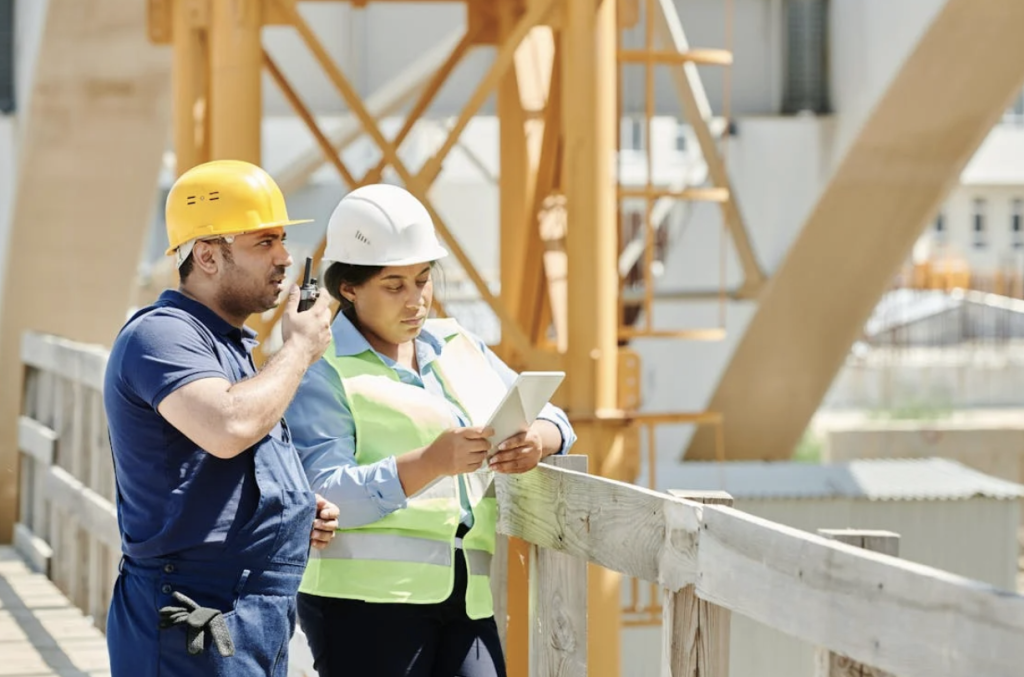
<p><span style="font-weight: 400">The construction industry is experiencing a global boom, cementing its position as one of the fastest-growing sectors worldwide. This surge is largely due to significant government investment in infrastructure projects across the globe. These are usually large sized projects designed to support economic growth and drastically improve the quality of life for citizens.</span></p>
<p><span style="font-weight: 400">These projects might include building things like new roads, train lines and airports to help people and goods move around. Additionally, there&#8217;s a strong focus on constructing more public facilities, such as schools, hospitals and parks. All these large-scale projects create a huge and steady demand for construction workers and companies, which in turn pushes the industry to constantly seek better and faster ways to get their work done.</span></p>
<p><span style="font-weight: 400">Finding ways to streamline construction operations can improve timelines for the completion of projects and create a better atmosphere for workers. This guide will explore this and give insight into how construction companies can improve their processes.</span></p>
<p> ;</p>
<h2><span style="font-weight: 400">How to Streamline Construction Operations</span></h2>
<h3><span style="font-weight: 400">Embrace Technology</span></h3>
<p><span style="font-weight: 400">New technology has improved many industries to streamline their processes and this is especially true when it comes to construction. </span><a href="https://www.citb.co.uk/about-citb/partnerships-and-initiatives/building-information-management-bim-for-site-workers/what-is-bim"><span style="font-weight: 400">Building Information Modeling (BIM)</span></a><span style="font-weight: 400"> is one of the biggest advancements. It creates a virtual 3D model of a project, allowing all stakeholders to collaborate in real-time to improve the day-to-day processes of designing and building it. This helps identify clashes and issues before construction even begins, significantly reducing costly rework and delays on site.</span></p>
<p><span style="font-weight: 400">Drones are also being used in construction to get better visuals of the site. It can quickly survey sites, monitor progress and inspect difficult-to-reach areas. The data collected can then be analysed to identify inefficiencies, track material usage and predict potential problems, which can prevent further problems in the future.</span></p>
<p> ;</p>
<h3><span style="font-weight: 400">Lean Construction</span></h3>
<p><span style="font-weight: 400">The lean construction philosophy focuses on minimising waste and maximising value throughout a construction project. It allows contractors and engineers to identify and remove any unnecessary activities, materials and time from the workflow to make the process easier and more efficient. Clogged workflows are the main reason for halts, so lean construction can prevent this.</span></p>
<p><span style="font-weight: 400">A key part of this approach is Just-In-Time (JIT) delivery. Instead of having materials pile up on site, JIT ensures that everything arrives exactly when it&#8217;s needed for installation. This precision dramatically reduces storage costs, frees up valuable site space and cuts down on the risk of materials being wasted. It’s becoming more prominent in the world of construction to ensure that everything is running smoothly for a more effective result.</span></p>
<p> ;</p>
<h3><span style="font-weight: 400">Improve Communication</span></h3>
<p><span style="font-weight: 400">Miscommunication is a leading cause of errors and delays for construction projects, which makes it crucial that you have an effective way of communicating. All the workforce needs to be well informed about everything that happens to ensure that nothing is missed, as if something isn’t shared it can result in accuracy issues. This can potentially ruin the project. Moving away from traditional emails and phone calls can be beneficial, as you can instead use cloud-based collaboration platforms, messaging apps,and virtual meeting tools to ensure everyone has access to the latest information.</span></p>
<p><span style="font-weight: 400">Daily briefings and regular project meetings can also help to keep teams aligned, address immediate concerns and ensure everyone knows their responsibilities. When everyone is on the same page, the construction process is made much easier.</span></p>
<p> ;</p>
<h3><span style="font-weight: 400">Effective Resource Management</span></h3>
<p><span style="font-weight: 400">Effective resource management is crucial for streamlining construction operations, as it ensures projects are completed on time and within budget. It involves the careful planning and allocation of all essential resources, including labor, materials and equipment so everyone knows exactly what they should be doing. Strategically matching the right skilled workers to specific tasks, allows companies to significantly reduce downtime, minimise waste and avoid costly delays.</span></p>
<p><span style="font-weight: 400">This proactive approach not only boosts productivity on site but also allows for greater adaptability to unforeseen challenges. Resource Breakdown Structures (RBS) can also be beneficial, as it can help organise resources and their allocation, ensuring clarity and control.</span></p>
<p> ;</p>
<h3><span style="font-weight: 400">Powered Access</span></h3>
<p><a href="https://www.mainline-hire.co.uk/"><span style="font-weight: 400">Powered access</span></a><span style="font-weight: 400"> has become one of the most useful types of machinery for construction, as it can help engineers reach heights of up to 100m. This is very beneficial for building or performing maintenance on tall structures like apartment blocks, windmills or castle walls.</span></p>
<p><span style="font-weight: 400">This type of machinery also provides stable, secure platforms with built-in safety features like guardrails, harness anchor points, emergency stop buttons and overload sensors. This drastically reduces the risks associated with traditional methods like ladders and scaffolding, which are prone to falls and injuries. A safer environment means fewer accidents, less downtime for investigations and recovery and improved worker well-being. This all contributes to a smoother project flow.</span></p>
<p> ;</p>
<h3><span style="font-weight: 400">Safety and Training</span></h3>
<p><span style="font-weight: 400">Adequate </span><a href="https://medusamagazine.com/safety-training-and-significance-of-sssts-course-in-construction/"><span style="font-weight: 400">safety training</span></a><span style="font-weight: 400"> for the entire workforce is essential to ensure that they can properly operate any equipment and can avoid any injuries or damage. Many safety training programs involve group activities and discussions, which can enhance teamwork and communication among crew members. A shared understanding of </span><a href="https://medusamagazine.com/construction-tech-enhancing-job-site-safety-and-efficiency/"><span style="font-weight: 400">site safety</span></a><span style="font-weight: 400"> protocols and goals leads to better coordination on site and more efficient construction operations.</span></p>
<p><span style="font-weight: 400">Construction is a heavily regulated industry, particularly in the UK with frameworks like the Health and Safety at Work Act 1974 and the Construction (Design and Management) Regulations 2015 (CDM). Comprehensive safety training ensures that all workers and management are aware of and adhere to these legal requirements.</span></p>
<p> ;</p>
<h3><span style="font-weight: 400">Automated Workflows</span></h3>
<p><span style="font-weight: 400">Software can quickly analyse project specifications, material costs and labor requirements to generate accurate bids and estimates. This reduces the time spent on manual calculations, allowing companies to submit more competitive and precise proposals. AI-powered scheduling software is also very beneficial, as it can analyse project timelines, resource availability and dependencies to create optimised schedules. It can automatically adjust plans in real-time to ensure efficient resource utilisation and minimising downtime.</span></p>
<p><span style="font-weight: 400">IoT sensors systems can be used to track material usage, automating the procurement process and ensuring materials are available precisely when needed. This reduces waste, which can result in the construction operation being more streamlined.</span></p>
<p> ;</p>
<h3><span style="font-weight: 400">Machine Maintenance</span></h3>
<p><span style="font-weight: 400">Well-maintained machinery operating at peak efficiency will allow you to perform construction site tasks at an improved rate and give you more success. Consuming less fuel and delivering consistent power and output can also be achieved with better machine maintenance. This directly translates to faster task completion and higher overall productivity on site.</span></p>
<p><span style="font-weight: 400">Faulty equipment is a leading cause of accidents on construction sites. Regular inspections and timely repairs ensure all machinery components are in optimal working order, significantly reducing the risk of malfunctions that could lead to injuries or damage to builds. This can take a long time to fix, which can heavily affect how construction sites operate.</span></p>

Building Smarter: Proven Ways to Streamline Construction Operations