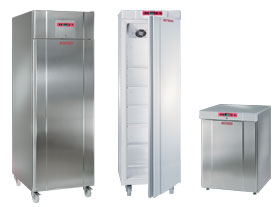
<p>Sterile medical equipment is crucial in regards to preventing infections and ultimately diseases that can be caught from those infections. Unfortunately it is something that people in the UK and other developed countries take for granted; we have the fortune of being able to use powerful, industrial autoclaves, instead of creating sterile equipment on a make shift, budget basis. Industrial autoclaves use heat to ensure medical equipment is sterile and medical tools are safe for using.</p>
<p><img class="aligncenter size-full wp-image-726" alt="ic-incubators" src="https://medusamagazine.com/wp-content/uploads/2013/04/ic-incubators.jpg" width="280" height="207" /></p>
<h2>Problems and Solutions for Developing Countries</h2>
<p>There are thousands of health centres and clinics globally and third world countries really do struggle to ensure that their medical equipment has been sterilised properly. Recently, a group called The Little Devices group at MIT had a solution to the problems faced by developing countries in terms of purchasing and maintaining autoclaves.</p>
<p>The solution; creation of a solar concentrating system that enables the ‘autoclave’ to be powered through the heat of the sun and not use other resources that are very costly for developing countries, whom simply can not afford to power the autoclaves on a large scale. The device was named SolarClave and could be an incredible solution if not the solution to a major problem that is facing developing countries globally on a daily basis.</p>
<p>How the SolarClave Works</p>
<p>The sun’s heat and a pressurised chamber or ‘bucket’ (which is filled with the medical equipment) is what powers the SolarClave and is a breathtakingly ingenious method. This process kills any dangerous microbes that would otherwise be inside the chamber. The autoclave is then suspended in the air (imagine a cylinder being suspended from a tripod) over numerous small square mirrors.</p>
<p>On a hot day the mirrors multiply temperature generated by the sun and can get up to 250 degrees Fahrenheit, the temperature required to sterilise the equipment safely within the ‘bucket’. Sterilisation of the medical equipment lasts up to approximately 20 minutes.</p>
<p>At present, many clinics in third world countries rely on existing kerosene-powered autoclaves that are expensive to maintain. Lack of equipment available within rural areas often means that people in need of medical assistance must travel to the larger cities where these kerosene autoclaves are available. However, this is at a cost and for many they just simple can’t afford to travel to and from the hospital; many taxi journeys from rural areas to main cities cost around the equivalent of a months wage and in most cases people that need medical treatment simply do not travel large distances unless extremely ill.</p>
<p>Boiling medical tools is a very common practice in developing countries and in many cases the only solution is transporting a patient to a clinic that only boils their medical tools. Imagine what would happen if people within the UK were faced with the same issue – just unthinkable.</p>
<h2>Summary</h2>
<p>Due to the risks of many hospitals or clinics within third world countries not sterilising their medical tools properly, the SolarClave could be an absolute find and solution to an on-going problem for citizens especially within the rural areas of third world countries. The SolarClave is more than likely to be an essential medical development for third world countries in the forthcoming future.</p>
<h5>Featured images:</h5>
<p><img style="width: auto" alt="" src="http://myblogguest.com/forum/uploads/articles/2013/4/swal-oven.jpg" /></p>
<p><span class="license">License: Image author owned</span></p>
<p><img style="width: auto" alt="" src="http://myblogguest.com/forum/uploads/articles/2013/4/op-ovens.jpg" /> <span class="license">License: Image author owned</span></p>
<p><img style="width: auto" alt="" src="http://myblogguest.com/forum/uploads/articles/2013/4/ic-incubators.jpg" /> <span class="license">License: Image author owned</span></p>
<p>John is the director of a company that supplies autoclaves and is more than qualified to advice on the autoclave industry.</p>

Autoclaves In The Developing World