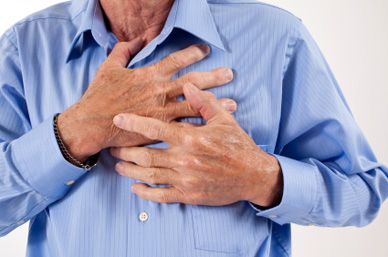
<p style="text-align: justify;">Angina pectoris is commonly known as angina. It is pain in the chest due to ischemia of the heart muscle that doesn’t go as far as having a heart attack. Angina is due to spasm or obstruction of the coronary arteries. The main cause is coronary artery disease due to atherosclerosis of the arteries feeding the heart.</p>
<p style="text-align: justify;">In angina, there is a weak relationship between the severity of the pain and the degree of deprivation of oxygen in the heart muscle. A heart attack can form with no pain at all. Angina is a serious disease that has been known to result in death. People with moderate to severe angina have a higher percentage of death before the age of fifty five—up to 60 percent.</p>
<p style="text-align: justify;">People who have worsening angina attacks, angina at rest, and angina lasting more than 15 minutes are symptoms of unstable angina. These symptoms can herald a heart attack and require urgent medical attention as they are presumed to be heart attacks.</p>
<p style="text-align: justify;"><img class="aligncenter size-full wp-image-887" alt="Angina Pectoris" src="https://medusamagazine.com/wp-content/uploads/2015/07/Angina-Pectoris.jpg" width="388" height="257" /></p>
<p style="text-align: justify;">There is stable angina, which involves chest discomfort and associated symptoms precipitated by activity with few or no symptoms at rest. It also improves substantially with sublingual nitroglycerine. Symptoms usually go away after a few minutes. There is also unstable angina which is angina that worsens or changes over time. It generally occurs at rest or with minimal exertion, lasting 3-5 minutes, is severe in intensity and of an onset within 4-6 weeks, and it has a crescendo pattern. It may be a serious indicator of an impending heart attack. A total of 66 percent of all cases of unstable angina occur between 10 pm and 8 am.</p>
<p style="text-align: justify;">In stable angina, there is an atheroma protected with a fibrous cap. The cap may rupture, leading to unstable angina and allowing for blood clots to precipitate and further narrow the lumen of the artery. Unstable angina can also be due to coronary artery spasms or coronary thrombosis.</p>
<p style="text-align: justify;">Most people with angina pectoris can have significant pain but most describe a discomfort in the chest, or a heaviness, squeezing, burning or tightness in the chest. The pains may be described in the epigastrium of the stomach, in the back, neck, jaw or either shoulder. These are called referred pain and are due to a connection of nerves from the heart to the other body areas. The typical referred area pains are the inner arm, neck and shoulders.We typically see angina precipitated by emotional or physical distress. It is made worse by being out in the cold and having a full stomach. Some experience autonomic symptoms such as being pale or having nausea and vomiting.</p>
<p style="text-align: justify;">Risk factors for angina include the same symptoms as a heart attack and include: diabetes, smoking, high cholesterol, sedentary lifestyle, having high blood pressure and having a family history of early heart disease.The age is usually greater than 55 years for men and age 65 years for women. Elevated cholesterol, especially LDL cholesterol can increase the risk. Kidney disease increases the risk of angina. Obesity increases the risk and prolonged psychological stress can increase the risk.</p>
<p style="text-align: justify;">In diagnosing angina, the doctor should be suspected any time the doctor sees a patient who has tight, heavy or dull chest discomfort that radiates to the left arm, jaw, neck or back. It must be associated with exertion or emotional distress and should relieve itself after a period of rest. It can be associated with a meal or with cold weather. Diagnosing angina pectoris is crucial and every doctor should be able to get to a diagnosis quickly so the condition can be promptly treated.</p>
<p style="text-align: justify;">The most common treatment for angina pectoris is nitroglycerin. This is a pill taken underneath the tongue or as a spray. It acts quickly as a potent vasodilator and allows more oxygen to get to the cardiac muscle. Beta blockers and calcium channel blockers both decrease the workload on the heart and are taken daily. The goal of treatment is to reduce symptoms. For more Detail Visit: <strong>GP Doctor Medical Negligence Claims</strong></p>

Angina Pectoris