<p>A combat veteran who has spent the last few years completing dangerous missions may have little in common with the average college freshman. Transitioning into college life is difficult for everyone, but veterans face obstacles drastically different from those of traditional students who are leaving home for the first time. Many veterans are pursuing a college degree while coping with mental and physical disabilities, which can add to the difficulty of relating to their non-veteran peers. Fortunately, there are ways for veterans interested in furthering their education to overcome these obstacles. As you transition from combat deployment into college life, use these following five suggestions for beginning a successful and rewarding college career.</p>
<p><img class="aligncenter size-Correct wp-image-10904" alt="5 Tips for Veterans Transitioning From Combat to College" src="https://medusamagazine.com/wp-content/uploads/2013/12/5-Tips-for-Veterans-Transitioning-From-Combat-to-College-600x899.jpg" width="600" height="899" /></p>
<h2>Use Veterans Services</h2>
<p>College campuses across the country provide valuable services and resources for veterans interested in furthering their education. Eliminate financial stress from your list of concerns by using tuition discounts for veterans and applying to receive your Post-9/11 GI Bill benefits. If you have served at least 90 days of active duty after Sept. 10, 2010 and were honorably discharged, you are eligible to receive financial assistance for tuition, job training and housing. If you were deployed overseas for a long period of time, it is likely you have been away from a classroom setting for a while. Therefore, you will also want to take advantage of veteran tutoring services offered at most institutions. If you are one of the many veterans suffering from anxiety, depression or post-traumatic stress disorder (PTSD,) you may also want to consult a campus counselor or visit a VA Medical Center. Addressing your mental health needs is an important first step in beginning a successful college career.</p>
<h2>Research Schools That Support Veterans</h2>
<p>MSN News reportsthe steady withdrawal of troops from Iraq and Afghanistan has resulted in a tremendous increase of veterans enrolling in U.S. colleges and universities. In response to the recent influx of student veterans, schools are becoming increasingly veteran-friendly. Research schools that offer the most support for veterans, focusing on aspects like career services, college credit for military experience and a strong veteran community. As you narrow down your top school choices, look for colleges that support veteran programs such as the Reserve Educational Assistance Program (REAP), which offers additional GI Bill benefits to members of certain reserve components. Another program any veteran-friendly institution should support is the Yellow Ribbon Program, which pays the remaining tuition costs not covered by the GI Bill for those receiving benefits at the 100-percent rate.</p>
<h2>Consider Online Classes</h2>
<p>With close to half of today’s student veterans caring for children and or spouses, juggling college life with family responsibilities can be incredibly difficult for returning service members. Online classes are ideal for many student veterans, as they allow for flexibility in completing assignments as well as the ability to learn from home. Online courses also make it possible to complete a degree at your own pace, which can be beneficial for veterans who are apprehensive or anxious about returning to school.</p>
<h2>Start as a Part-Time Student</h2>
<p>Be gentle with yourself as you transition into college life. Full-time students are expected to treat college as their primary focus, which can be quite overwhelming for veterans who have recently returned from a deployment. Starting out part time is a great way to ease into college life and to test the waters regarding the degree you wish to pursue. You may need some time to decide exactly which career path you would like to choose. Instead of spending time and money on a program you are not fully committed to, take some general courses part time as you sort through your future goals.</p>
<h2>Seek Support From Friends and Family</h2>
<p>Don’t go through this transition alone; research shows reaching out to others and engaging in social activities can help alleviate the depression and anxiety many combat veterans face. It is especially important for veterans with PTSD to seek support from family and friends as they transition into college life. According to the Department of Veterans Affairs, it is important veterans refrain from isolating themselves, as this can worsen the symptoms of PTSD. Staying connected with the people who care about you will give you the support needed to achieve your educational goals.</p>
<p>The transition from combat to college is a difficult one, but there are myriad ways veterans can overcome these obstacles and have a positive college experience. Follow these five tips to begin the fulfilling college life you deserve.</p>
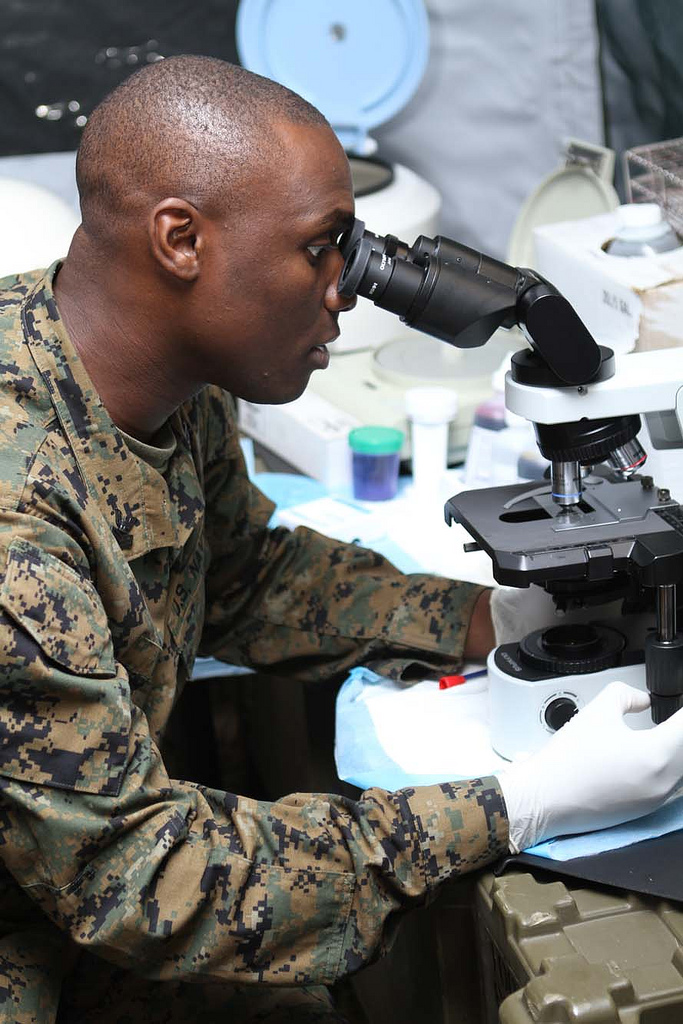
<p><i>Image by III Marine Expeditionary Force/MCI Pacific from Flickr’s Creative Commons </i></p>
<p><b>About the Author:</b>Blogger Susan Reade previously served in Iraq.</p>

5 Tips for Veterans Transitioning From Combat to College