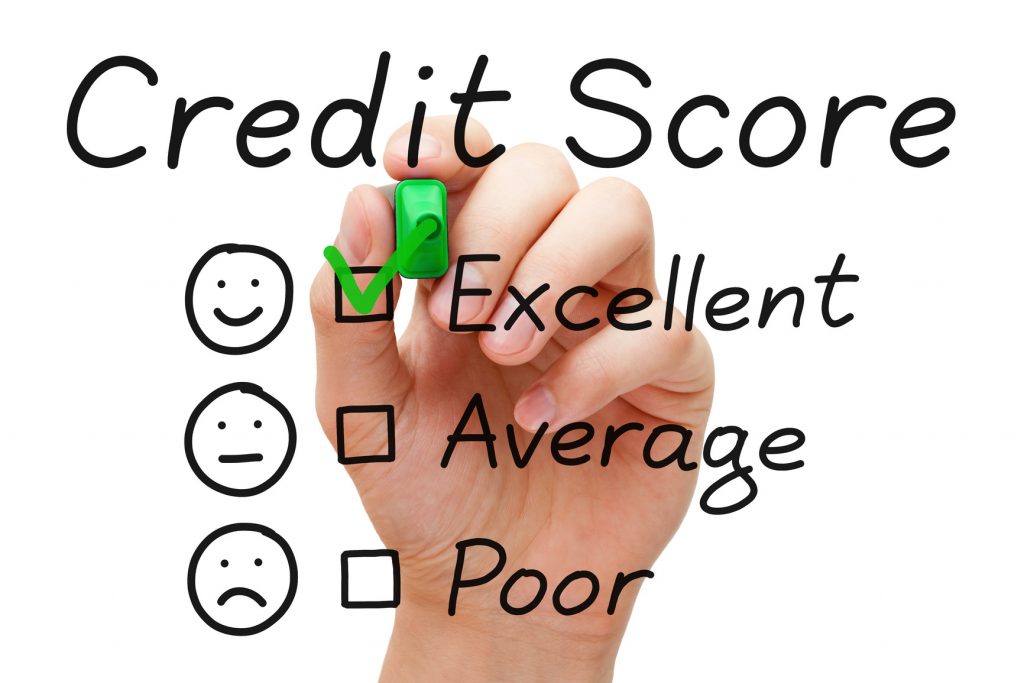
<p style="text-align: justify;">Your credit score is one of the most important ways that lenders will judge you. If you have good credit, you are seen as trustworthy and able to meet your obligations. If you have poor credit, you are seen as someone who may be shady and not worth dealing with. With that in mind, how can you fix your credit as quickly as possible?</p>
<p style="text-align: justify;"><img class="aligncenter size-Correct-Size wp-image-14192" src="https://medusamagazine.com/wp-content/uploads/2016/06/4-Quick-Tips-for-Fixing-Your-Credit-Score-640x426.jpg" alt="4 Quick Tips For Fixing Your Credit Score" width="640" height="426" /></p>
<h3 style="text-align: justify;">Work with a Credit Repair Company</h3>
<p style="text-align: justify;">There are businesses that make it their sole goal to help you improve your credit. They will use a variety of tactics such as ensuring that your credit report is accurate. In some cases, a single mistake could reduce your score by 50 points, 100 points or even more. Therefore, it is in your best interest to make sure that creditors are telling the truth about you and that it is being recorded accurately by credit agencies.</p>
<p style="text-align: justify;">A credit repair consultant from places like Lexington Law Review may also be able to go over your score as it is today and tell you how that score was calculated. Your FICO score is a weighted calculation that takes into account your ability to repay debt, how much debt you have and what type of debt you have. It also takes into account whether you use too much of your available credit balances.</p>
<h3 style="text-align: justify;">Make Extra Payments on Existing Debts</h3>
<p style="text-align: justify;">A great way to make sure that your credit score improves in a hurry is to pay down your debts faster that your current repayment schedule. Most people choose to either focus on the highest balances while other choose to focus on the balances with the highest interest rate. Cutting down high interest balances may save you more overall while eliminating smaller balances may give you a confidence boost on your road to paying down debt and improving your credit score.</p>
<h3 style="text-align: justify;">Resolve Past Due Debt Payments</h3>
<p style="text-align: justify;">If you have a payment that is 30, 60 or 90 days past due, it could drag your credit score down. By talking to your creditor to make plans to pay that debt, it could bring you back to current on your loan. Your creditor may also agree to update the information it provides to credit reporting agencies. In theory, the creditor could report that the past due balance was reported in error or is no longer relevant, which would make it as if the late payment never occurred.</p>
<p style="text-align: justify;">Assuming this is a strategy that you want to pursue, try to have the most current missed payment dealt with first. This is because these are the missed payments that are held against you the most. When your credit score is calculated, it is assumed that more recent events are more indicative of your ability to manage money or debt. Therefore, while the payment that is 90 days past due still hurts your score, interested parties may assume that you have learned from your mistake if there are no other blemishes.</p>
<h3 style="text-align: justify;">Increase Your Available Credit</h3>
<p style="text-align: justify;">Having more credit on hand reduces the amount of credit that you are using overall. For instance, if you maxed out a $1,000 credit card, you are using 100 percent of your available credit. Having that line extended to $2,000 or getting another card for $1,000 cuts your credit usage in half. Of the two methods, extending your current line may be easier because you have an existing relationship with the credit card company, and you don&#8217;t have to worry about another inquiry on your credit report. Also, you could still face consequences for maxing out your first card even if you get a second one.</p>
<p style="text-align: justify;">Improving your credit doesn&#8217;t have to be a tough ordeal if you know how to go about doing it. Asking for more credit, working with credit repair professionals and simply understanding how your score is calculated can make it easier to know how which moves you need to make today.</p>

4 Quick Tips For Fixing Your Credit Score